Unhurried Paths, Skilled Hands, Alpine Hearts
Settle into a gentler pace where mountains breathe patience and makers teach by doing. We explore Slow Travel in the Alps: Hands-On Craft Retreats and Village Apprenticeships, inviting you to learn with woodcarvers, cheesemakers, and weavers, stay in story-rich hamlets, and craft enduring memories while supporting living traditions through mindful journeys and generous curiosity. Share your questions, stories, and maker tips in the comments, and subscribe for new routes, retreats, and village workshops across the seasons.
Choosing Valleys and Villages
Consider contrasts before committing: Valais terraces and glaciers, Tyrol’s painted facades, Vorarlberg’s timber modernism, or Friuli’s meeting of cultures. Smaller valleys often host multigenerational workshops eager for careful learners. Map craft lineages, shared markets, and postbus timetables, then pick one place where your curiosity can root.
Seasonality and Rhythm
Spring invites dye plants and lambing stories; summer opens high pastures and long, fragrant evenings; autumn glows with harvest fairs and mushroom baskets; winter gathers candlelight, carving shavings, and quiet streets. Align your learning with these cycles, respecting farmers’ workloads, festival calendars, and weather’s steady voice.
Trains, Postbuses, and Passes
Travel light enough to jog between platforms, yet ready for mountain storms. Regional passes stitch together trains, gondolas, and cheerful yellow postbuses, shrinking distances without rushing souls. Sitting by windows becomes study time: observe woodpiles, terrace walls, and chapel frescoes, then ask about them after arrival.
Arriving Slowly, Staying Deeply
Choose routes that let time expand: ride alpine railways that spiral through larch forests, step off at unhurried platforms, and walk to family-run inns where bells, cowbells, and river murmurs reset your breath. Give altitude and custom their due; leave blank mornings for wandering lanes, greeting bakers by name, and noticing carved lintels, drying hay, and children biking past fountains. Depth arrives quietly when logistics slow and conversations stretch beyond transactions.
Craft Lineages That Welcome Learners
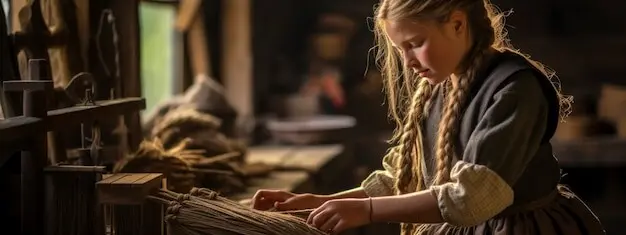
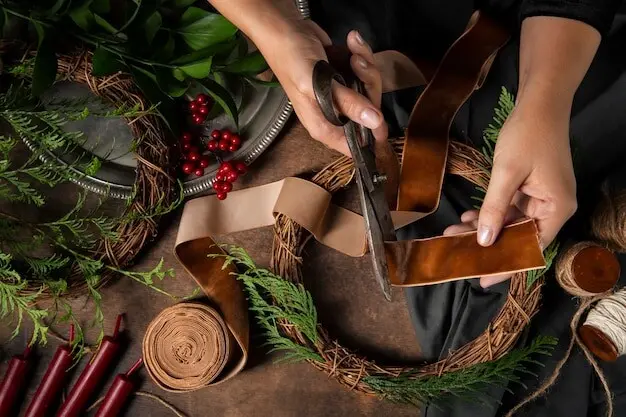
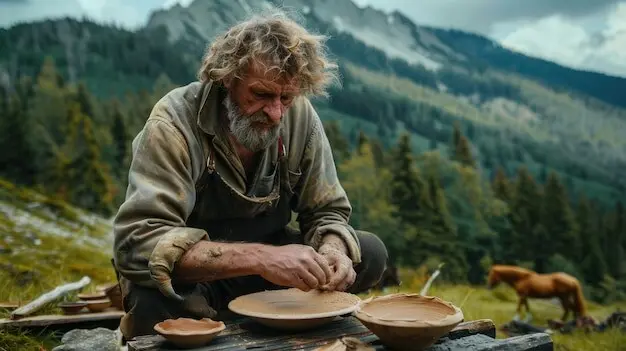
From quiet attics scented with resin to stone-floored dairies warmed by copper kettles, Alpine skills endure because neighbors teach neighbors and strangers who become friends. Seek places where knowledge is earned by presence, patience, and helpful hands, not certificates. Expect stories in dialect, demonstrations repeated kindly, and moments when your mistakes become invitations to try again, better and slower, with gratitude.
Apprentice Etiquette and Safety
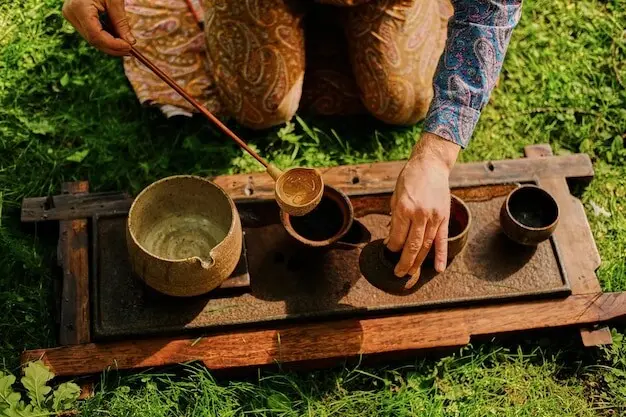
Workshops are homes, and homes are workshops. Take off your hat, silence your phone, and step where you are shown. Offer to sweep, carry, and make tea before asking for advanced techniques. Ask permission before filming, respect closed drawers, and accept that some secrets guard community livelihoods. Insurance, sturdy shoes, eye protection, and humility protect bodies and relationships equally well.
Communicating with Masters
Start with names and gratitude. Learn how to say please, thank you, and good morning in the local language, even if you stumble charmingly. Clarify goals, timeframes, and costs in writing. Listen for unspoken boundaries, adapt quickly, and let consistency prove respect better than speeches or emojis ever could.
Workshop Safety and Insurance Basics
Blades bite, kettles scald, looms pinch, and stair treads polish slick with centuries of boots. Ask about first-aid kits, exits, and tool quirks. Carry travel medical coverage that includes working with tools. Tie hair, close pockets, secure sleeves, and treat every edge like a friend who deserves distance.
A Week in a Working Village
Imagine waking to cowbells, coffee, and the smell of fresh pine shavings under a workbench you will share for a few luminous days. Your teacher waves from the doorway, the baker nods, and the neighbor’s dog already recognizes your gait. This is travel that turns lanes into classrooms and evenings into friendships stitched with laughter and practical know-how.
Tools, Materials, and Mindful Technique
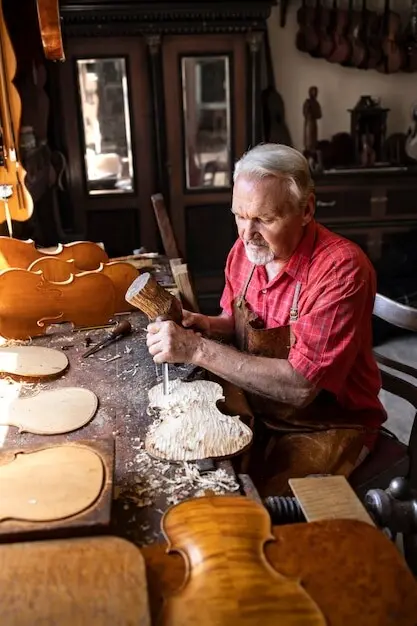
Bring curiosity first; most everything else can be borrowed or sourced locally. When you do pack, choose layers that breathe sawdust and shed snow, notebooks that lie flat on workbenches, and gloves you can forget you’re wearing. Learn body mechanics that protect wrists and backs, breathe with strokes, and embrace pauses. Good work favors sustainable materials, sharp edges, and attentive presence over gadgets.
Breakfasts that Fuel the Hand and Heart
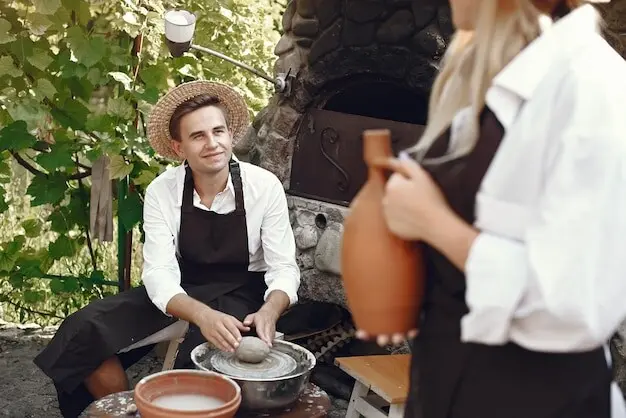
Begin with bread that actually matters, butter that tastes of July grass, and jams set by someone you will greet on the street. Coffee is fortification; porridge proves useful. These bowls and slices power steady concentration, gentle strength, and warm conversations that shape the day’s patient learning.
Long Lunches at the Workbench
Some days the tablecloth is newspaper; others, grandma insists on linen. Either way, knives pause, tools rest, and lessons deepen over soup and cheese. You learn which cuts suit which tasks, where to source produce, and how a midday pause multiplies focus for the afternoon’s careful work.
Evenings in the Stube
Benches circle the warm tiled stove, boots dry gently, and laughter rises with the steam from mint tea. Fiddles appear, or someone simply hums. You compare blisters, exchange recipes, schedule tomorrow’s meeting point, and notice that goodbyes take longer here because nobody rushes endings that still teach.