Hand in Hand Above the Treeline: Craft, Guilds, and Co‑ops in the Alps
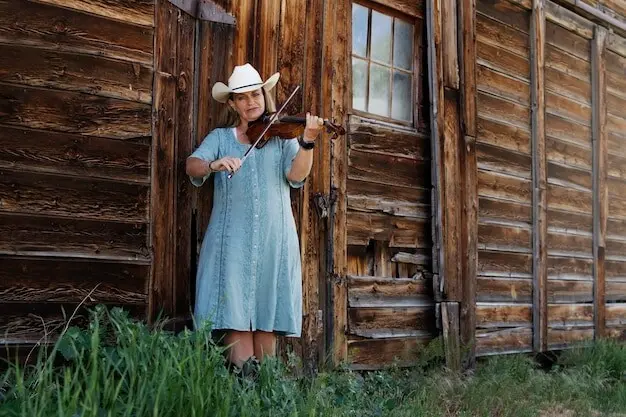
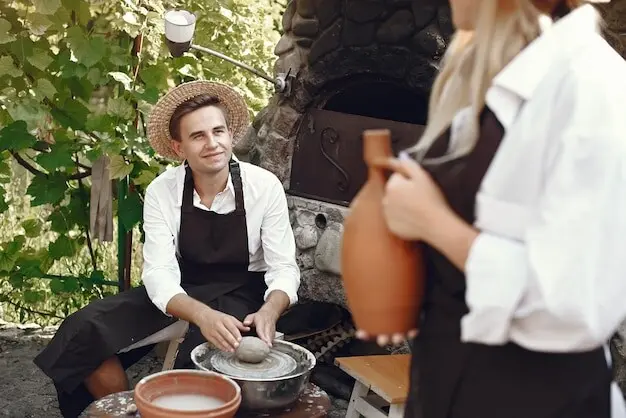
Step into the living world of cooperative craft economies in Alpine villages, where shared skills and mountain resilience turn wood, wool, and metal into livelihoods. Today we trace the arc from medieval guild traditions to modern cooperatives, discovering how collective ownership, fair governance, and local pride keep workshops humming, families rooted, and landscapes cared for. Expect stories from snowy passes and sunlit valleys, practical frameworks for collaboration, and invitations to participate, whether you carve, knit, cast, manage, or simply love things made with patience and conscience.

From Guild Banners to Shared Keys

Centuries before the word cooperative gained currency, Alpine guilds guarded quality, trained apprentices, and set mutual aid foundations that still echo in today’s shared workshops and federations. Their halls kept standards high and markets honest, while their rituals knit identity across valleys. We follow that lineage as it bends through reforms, wars, and migrations, into village co‑ops where one vote counts the same as a master’s stamp once did, and care for neighbors matters as much as craftsmanship itself.

Alpine Wood, From Stormfall to Sacred Figure
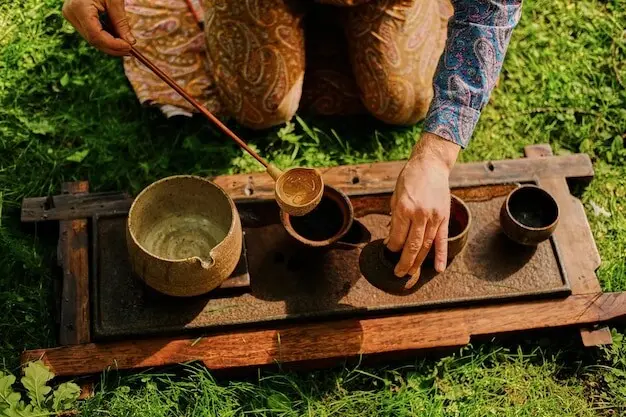
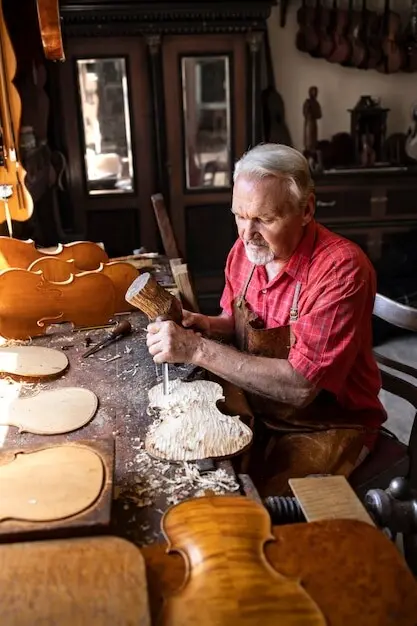
After a valley storm, co‑ops coordinate salvage logging, drying, and grading so fallen spruce becomes saints, skis, or stairways rather than rot. In Val Gardena, generations refined a carving cadence that reads grain like music, while shared finishing rooms and mobile CNC rigs keep production accessible. Mixed forestry plans and community nurseries ensure that every ambitious project today plants shade for apprentices who will someday plane those saplings into heirloom tables.

Wool, Loden, and the Language of Warmth

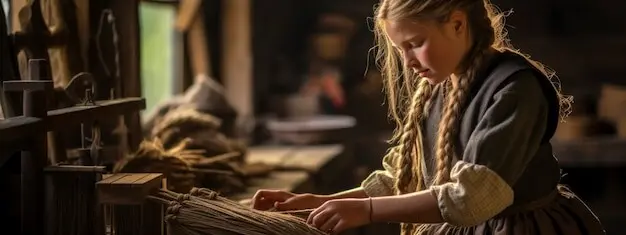
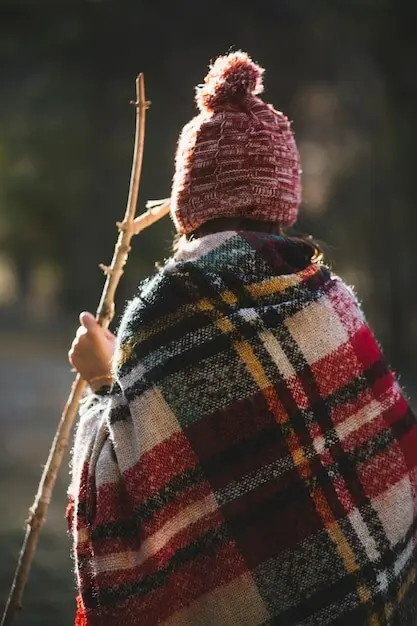
Transhumant flocks gift wool that co‑ops sort, scour, and full into dense loden and airy felts tailored for sleet and silence. Collective dye houses revive plant palettes from alpine meadows—gentian blues, madder reds—tracked with meticulous notebooks and modern lab tests. Spinners, knitters, and weavers share looms and schedules, pooling tiny batches into marketable runs while labeling origin clearly, so every cuff tells where the hillside grazed and who kept stitches even through long snowfalls.

How Shared Ownership Works at Altitude

Ownership structures that thrive in valleys respect seasonality, small lots, and kinship networks. One‑member‑one‑vote keeps power balanced, patronage refunds return value to participants, and transparent ledgers invite scrutiny rather than fear it. Case studies from Savoie cheeses to Trentino consumer stores show how coordinated logistics, pooled marketing, and federated finance transform scattered workshops into resilient economies. The mountain sets constraints; cooperation turns those constraints into a choreography that keeps everyone moving safely upward.

01

From Fruitières and Sennereien to Today’s Fabricators

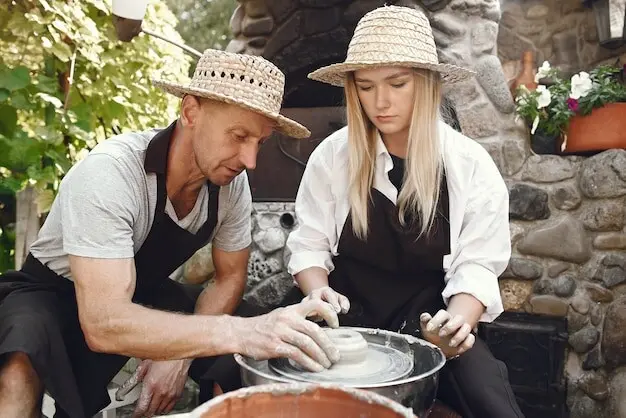
The fruitière model in Savoie and sennerei networks in Vorarlberg taught villages to pool milk, share copper vats, and brand quality collectively. Makers now remix that blueprint for woodshops, textile studios, and tool libraries, rotating access to high‑cost machines while establishing shared maintenance calendars. Collective purchasing knocks down prices; unified labels speak loudly in distant markets, ensuring that a necklace clasp or chair joint carries a chorus rather than a solitary whisper.

02

Governance That Fits in a Village Hall

Annual assemblies, published minutes, and rotating boards keep co‑ops nimble and accountable. Training covers reading cash flows as confidently as reading grain. Committees steward quality, sustainability, and mentorship, giving newcomers real votes, not ornamental chairs. Inspired by principles proven from Rochdale to Raiffeisen valleys, these groups temper tradition with openness, making rules simple enough to explain at the bakery queue and strong enough to hold during hard winters or sudden demand spikes.

03

Capital, Cashflow, and Harvest Rhythms

Cash arrives in bursts—after haymaking festivals, holiday markets, or summer tourism—and ebbs during quiet months. Co‑ops smooth that tide with member loans, community shares, and ethical credit unions rooted in the same villages they serve. Advance purchasing programs fund raw materials; fair payment schedules prevent workshop burnout. Transparent dashboards show who needs bridge support, while shared reserves—built patiently in good years—keep doors open when avalanches cut roads or festivals are canceled.

Modern Tools, Ancient Pride
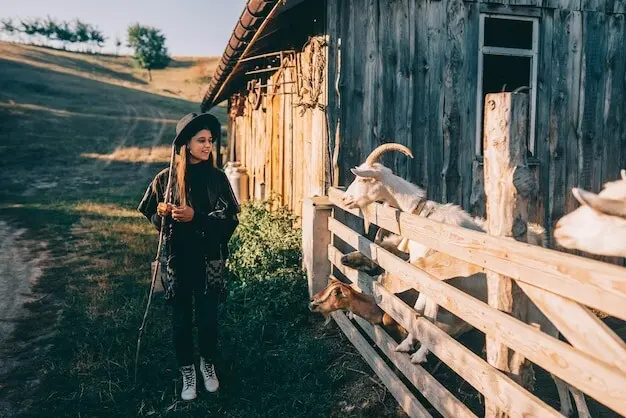
Digital shelves, clean power, and precision devices do not replace hand memory; they amplify it across distances and generations. Cooperative studios build websites together, tell origin stories with care, and track materials with QR codes visitors can follow from pasture to product. Hydropower, solar roofs, and heat‑recovery kilns shrink footprints and bills. The result is a craft economy both proud of calluses and comfortable with code, fluent in elders’ idioms and algorithms’ opportunities.

Keeping Youth, Welcoming New Hands

Resilience When the Weather Turns

Climate shifts test forests, pastures, and delivery calendars. Cooperative planning answers with mixed‑species plantings, smarter drying sheds, diversified product lines, and regional logistics alliances that reroute around closed passes. Insurance pools and emergency funds cushion shocks while training spreads practical adaptation quickly. The aim is not stoicism for its own sake; it is continuity that honors landscapes and livelihoods, so a year of beetles or floodwater becomes hardship, not extinction.

Timber Under Stress and the Wisdom of Mixed Forests

Bark beetles and storm clusters demand different choices: varied species, staggered ages, and careful thinning that respects root networks. Co‑ops partner with foresters and schools to map risk, plant diversely, and test airflow in new drying rooms. Sensor data complements elder intuition about slope and shadow. When boards enter the planer months later, their stability owes as much to collective foresight as to a sharp blade or steady wrist.

Pastures, Paths, and the Silence of Early Snow

Shifting seasons nudge transhumance dates, dye‑plant harvests, and festival calendars. Co‑ops coordinate with herders and municipalities to realign routines, share cold storage, and secure backup venues when storms surprise. New textile blends balance warmth and weight; finishes handle wetter shoulder months. None of this is surrender; it is choreography that keeps cows grazing, hands weaving, and visitors learning, even when the mountain rewrites cues without asking permission.

Get Involved From Wherever You Stand

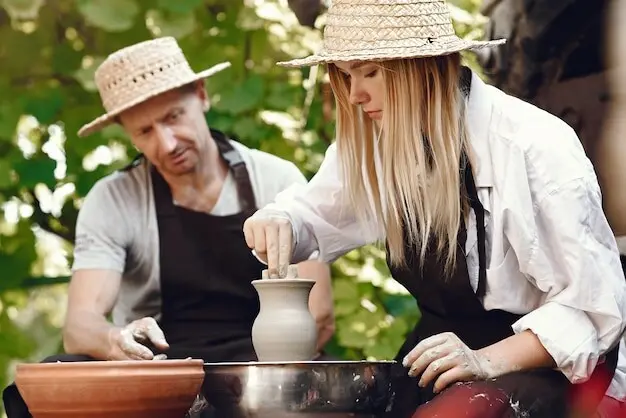
Whether you live under glaciers or far from snow, you can nourish this network of hands and hills. Buy directly from cooperative storefronts, subscribe to newsletters that teach and delight, and share makers’ posts rather than reposting imitations. If you craft, consider joining or starting a circle, remixing proven bylaws for your context. Ask questions in the comments, propose collaborations, and help document processes so the next generation inherits knowledge that feels welcoming and alive.
Farisanozorivexotavoteli
Privacy Overview

This website uses cookies so that we can provide you with the best user experience possible. Cookie information is stored in your browser and performs functions such as recognising you when you return to our website and helping our team to understand which sections of the website you find most interesting and useful.