Wild Heights, Honest Hands
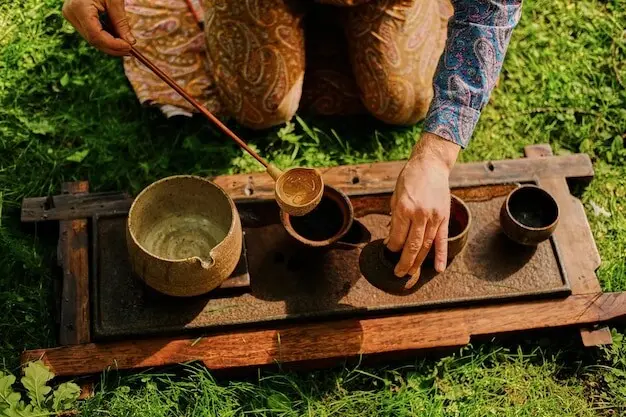

Today we journey into sourcing and working with native Alpine materials—wood, wool, and stone—tracing them from mountainside to workshop. We will learn how to find them responsibly, shape them with respect, and care for them over time, blending tradition and innovation so your craft celebrates landscape, community, and enduring, low-impact beauty.

Reading the Mountain’s Ledger

Responsible making begins with listening to the landscape and its people. In the Alps, forests, pastures, and quarries operate on rhythms older than roads, demanding patience, transparency, and fairness. We will consider certification, local cooperatives, seasonal timing, transport distances, and the invaluable knowledge carried by foresters, shepherds, and stonemasons who read the mountain’s cues long before paperwork catches up.

Wood that Breathes with Weather

Alpine wood moves with humidity and sunlight like a living companion. Design with that movement, not against it. Let spruce sing in frames, larch shrug off rain on cladding, and Swiss stone pine bring calm to rooms. Respect grain, season slowly, cut clean joinery, and finish with oils or waxes that nourish rather than seal shut. When wood’s story is honored, every creak, scent, and patina becomes a welcome guest.

Wool that Warms without Weight

Alpine wool insulates even when damp, breathes naturally, and springs back thanks to crimped fibers. It pads boots and dampens echoes in timber rooms. From fleece to yarn or felt, your handling shapes durability, drape, and comfort. Gentle chemistry, careful temperatures, and honest finishing protect fibers’ integrity. With respectful sourcing and mindful making, you invite warmth that carries lanolin’s memory of pasture, bells, and weather rolling down from high, bright ridgelines.

From fleece to yarn

Begin by skirting fleeces, removing vegetable matter and matted edges, then scour in warm water with mild soap to lift lanolin without shocking fibers. Decide between woolen (loft and warmth) or worsted (strength and sheen) preparations. Spin twists per inch that suit intended use, ply for balance, and wet-finish to relax the yarn. Swatch generously, block patiently, and document results. Each choice—temperature, twist, and wash—draws a different path from hillside to hand.

Felting for form and function

For slippers, seat pads, or acoustic panels, lay batts in alternating directions, add warm soapy water, and massage patiently until fibers lock. Plan for shrinkage—often twenty to thirty percent—and use resists to sculpt pockets or brims. Needle-felt details after wet fulling, then rinse and dry on forms to set geometry. Felt rewards rhythm more than force. In workshops, we have seen timid hands become sure as clouds gather, soften, and finally hold shape.

Natural Alpine color

Color softly with walnut husks, onion skins, birch leaves, larch bark, or iron afterbaths for moody grays. Use alum responsibly, record water sources and pH, and test for lightfastness on window sills before committing. Some lichens are protected; harvest only where legal and ethical. Keep dye logs with temperatures, times, and weights. The most soulful palettes come from patience and notes, not secrets—tones that resonate with rock, timber, clouds, and lingering snowfields.

Stone that Holds the Sky

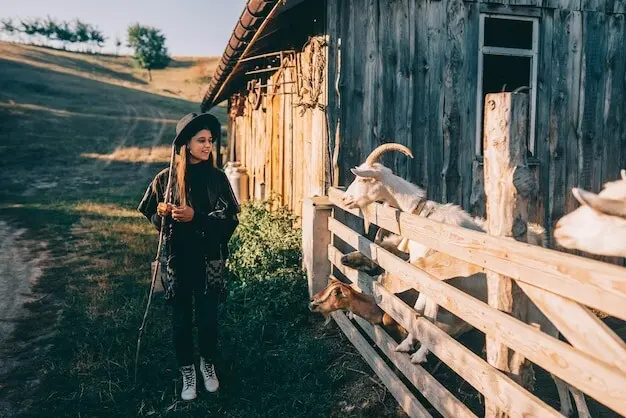
Stone anchors paths, hearths, and terraces, offering mass, durability, and a quiet that modern materials rarely match. Choosing the right bed, finish, and drainage keeps edges crisp through freeze–thaw and heat. Read compressive strength, porosity, and texture, then design for weeps, drips, and relief. Stone remembers pressure and time; your detailing decides whether that memory becomes cracks or character as seasons lift, squeeze, and release around the resting mountain bones.

Care, Repair, and Circularity

Stewardship keeps Alpine materials honest across decades. Plan maintenance as design, not afterthought—oil cycles, wool refreshes, stone cleaning, and reversible fixes. Keep offcuts, yarn ends, and rubble in labeled bins for reuse. Document finishes, dates, and weather notes. Repair becomes ritual, reduces waste, and deepens bond with place. Circular thinking is less slogan than habit: holding onto value, memory, and resources while letting projects breathe, adapt, and return gently when work is done.

Your Turn: Design, Share, Connect

Bring these mountains into your practice. Walk a forest road with a forester, visit a shearing, trace a quarry bench, and sketch details that respect movement, moisture, and time. Start small, speak with neighbors, and document every step. Share photos, questions, and setbacks, subscribe for field notes and workshop dates, and propose collaborations. Community keeps materials honest, and your curiosity keeps that community alive and inventive, even when clouds close around the ridge.
Farisanozorivexotavoteli
Privacy Overview

This website uses cookies so that we can provide you with the best user experience possible. Cookie information is stored in your browser and performs functions such as recognising you when you return to our website and helping our team to understand which sections of the website you find most interesting and useful.