Hand in Hand Above the Treeline: Craft, Guilds, and Co‑ops in the Alps
From Guild Banners to Shared Keys
Alpine Wood, From Stormfall to Sacred Figure
Wool, Loden, and the Language of Warmth
How Shared Ownership Works at Altitude
01
From Fruitières and Sennereien to Today’s Fabricators
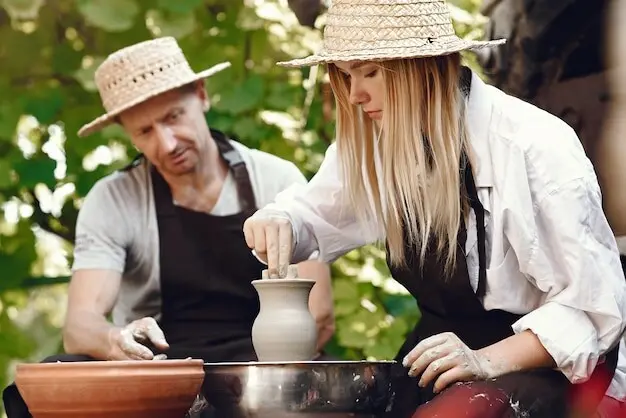
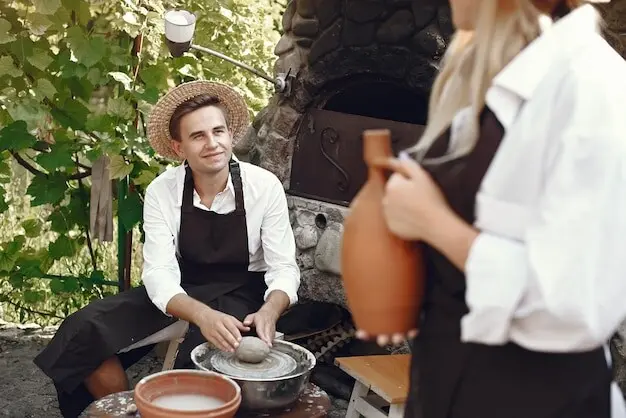
The fruitière model in Savoie and sennerei networks in Vorarlberg taught villages to pool milk, share copper vats, and brand quality collectively. Makers now remix that blueprint for woodshops, textile studios, and tool libraries, rotating access to high‑cost machines while establishing shared maintenance calendars. Collective purchasing knocks down prices; unified labels speak loudly in distant markets, ensuring that a necklace clasp or chair joint carries a chorus rather than a solitary whisper.
02
Governance That Fits in a Village Hall
Annual assemblies, published minutes, and rotating boards keep co‑ops nimble and accountable. Training covers reading cash flows as confidently as reading grain. Committees steward quality, sustainability, and mentorship, giving newcomers real votes, not ornamental chairs. Inspired by principles proven from Rochdale to Raiffeisen valleys, these groups temper tradition with openness, making rules simple enough to explain at the bakery queue and strong enough to hold during hard winters or sudden demand spikes.
03
Capital, Cashflow, and Harvest Rhythms
Cash arrives in bursts—after haymaking festivals, holiday markets, or summer tourism—and ebbs during quiet months. Co‑ops smooth that tide with member loans, community shares, and ethical credit unions rooted in the same villages they serve. Advance purchasing programs fund raw materials; fair payment schedules prevent workshop burnout. Transparent dashboards show who needs bridge support, while shared reserves—built patiently in good years—keep doors open when avalanches cut roads or festivals are canceled.
Modern Tools, Ancient Pride
Resilience When the Weather Turns
Timber Under Stress and the Wisdom of Mixed Forests
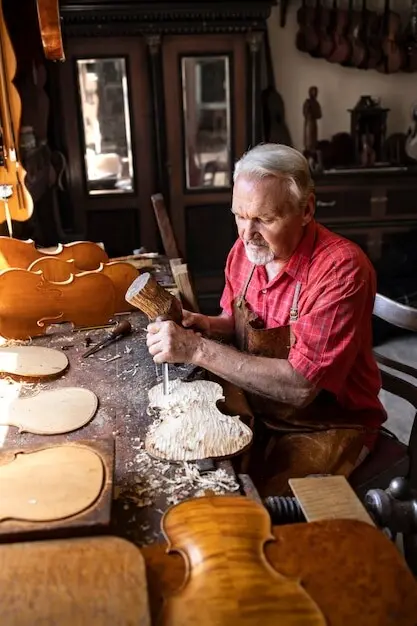
Bark beetles and storm clusters demand different choices: varied species, staggered ages, and careful thinning that respects root networks. Co‑ops partner with foresters and schools to map risk, plant diversely, and test airflow in new drying rooms. Sensor data complements elder intuition about slope and shadow. When boards enter the planer months later, their stability owes as much to collective foresight as to a sharp blade or steady wrist.
Pastures, Paths, and the Silence of Early Snow
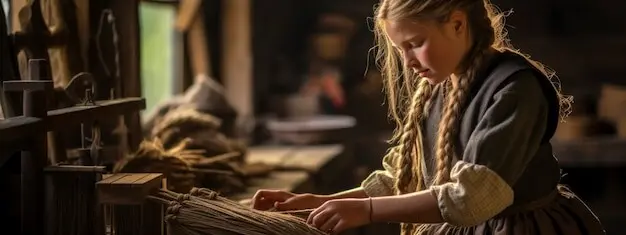
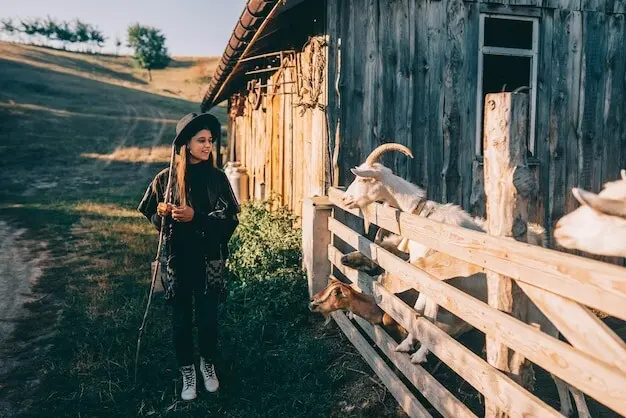
Shifting seasons nudge transhumance dates, dye‑plant harvests, and festival calendars. Co‑ops coordinate with herders and municipalities to realign routines, share cold storage, and secure backup venues when storms surprise. New textile blends balance warmth and weight; finishes handle wetter shoulder months. None of this is surrender; it is choreography that keeps cows grazing, hands weaving, and visitors learning, even when the mountain rewrites cues without asking permission.